“You are the salt of the earth.… You are the light of the world.” Matthew 5:13-16
Welcome to House of Salt and Light
Disclaimer
All of the information herein is for educational purposes only. Herbal, plant, and essential oil information are not FDA-approved to treat, cure, or prevent disease. We advise consulting a healthcare professional, especially if pregnant, nursing, or on medication.
Essential oils should be used in a carrier oil.
Aloe Vera
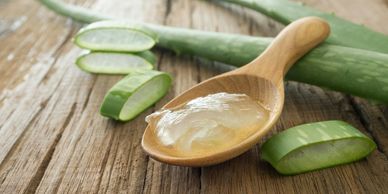
Aloe vera is a hardy, drought-tolerant succulent known for its thick, fleshy leaves containing a gel used to soothe burns, cuts, and skin irritations, making it a popular and easy-to-grow houseplant. Native to Africa, it thrives in bright, indirect sunlight and well-drained soil, requiring infrequent watering, and is valued for its medicinal properties and low maintenance.
Cultivating
Aloe vera is a low-maintenance, drought-tolerant succulent thriving in bright, indirect sunlight and well-draining potting mix (cactus/succulent blend). Water deeply only when the soil has dried out completely, generally every 2-3 weeks. Use containers with drainage holes to avoid root rot, and bring plants indoors during winter to avoid frost.
Benefits
Skin Healing & Soothing: Highly effective for treating sunburns, minor cuts, and skin irritations like psoriasis or eczema. It boosts collagen synthesis and skin cell regeneration.
Acne Reduction: Anti-inflammatory properties help diminish acne redness, acne scars, and irritation.
Digestive Health: Aloe vera juice acts as a laxative to treat constipation and may soothe gastrointestinal issues like IBS.
Nutrient-Rich Hydration: Contains antioxidants (vitamins A, C, E), minerals, and enzymes that promote overall wellness and skin hydration.
Blood Sugar Management: Oral consumption may help reduce blood sugar levels and
in people with diabetes.
Topical Gel: Applied directly to the skin to heal, moisturize, or relieve burns.
Juice/Supplement: Drunk for internal health benefits, though pure, decolorized, or food-grade products should be chosen. Benefits
The gel is used for sunburns, minor burns, acne, psoriasis, and other skin issues due to its anesthetic, antibacterial, and restorative properties. It helps to sooth pain, reduce inflammation, and potentially speed healing.
Oral: Can be used orally for gut health, reflux, or inflammatory bowel disease, but it's crucial to use the correct variety (true aloe) and consult a professional.
Safety Note
Topical use is generally safe, but oral ingestion of aloe latex (the yellow sap) can cause cramps or diarrhea and should be used cautiously.
Basil
Calendula

Basil is a popular, aromatic herb from the mint family, known for its use in Italian and Southeast Asian cuisines, with varieties like sweet, Thai, and lemon basil offering distinct flavors. It's a warm-weather annual that's easy to grow and provides health benefits, including anti-inflammatory, antioxidant, and digestive properties, making it a staple in both cooking and traditional medicine.
Cultivating
A tender annual that thrives in warm, sunny conditions.
Plant outdoors after the last frost or start seeds indoors.
Pinch off the top leaves regularly to encourage bushier growth and prevent flowering (bolting).
Harvest by snipping stems just above a leaf node.
Benefits
Rich in antioxidants, vitamins (K, A, C), and minerals (manganese, copper).
Possesses anti-inflammatory and antibacterial properties.
May help with blood sugar management, digestion, and stress reduction.
Safety Note
It is recommended to wash fresh basil thoroughly, and while generally safe, those taking blood thinners should be mindful of its high vitamin K content.
Calendula
Dandelion
Calendula

Calendula (Calendula officinalis), or pot marigold, is a hardy, daisy-like annual with bright orange or yellow flowers, renowned for its medicinal, culinary, and ornamental uses. It thrives in full sun to partial shade in well-drained soil, blooming from spring to fall. It is valued for skin-healing salves, teas, and as a colorful edible garnish.
Cultivating
Calendula is a hardy, fast-growing annual that thrives in full sun and well-drained soil, blooming 45–60 days after sowing. It is best grown by direct sowing seeds 1/4 to 1/2 inch deep in spring after the last frost, or indoors 3–4 weeks prior. These plants prefer cool weather and are excellent for pots or gardens.
Benefits
Calendula is widely used for its antiseptic, anti-inflammatory, and antifungal properties, particularly in topical treatments.
Skin Care: Treats minor burns, scalds, cuts, scrapes, acne, and insect bites, often in lotions, salves, and tinctures.
Healing Promotion: Known to increase blood flow to wounds, promoting new tissue growth and reducing scarring.
Internal Use: Used to soothe digestive issues like ulcers, gastritis, and inflammation.
Safety Note
Individuals allergic to daisies or marigolds should avoid calendula. It is generally used topically, though it can be taken orally as tea or tinctures.
Dandelion
Dandelion
Dandelion

Dandelions (Taraxacum officinale) are resilient, perennial flowering plants in the daisy family, known for their bright yellow flowers that transform into fluffy "puffball" seed heads, and their deeply lobed leaves that form a basal rosette. Native to Europe and Asia, they are now widespread and considered a common weed, but are also valued for their nutritional content and medicinal uses, with all parts of the plant being edible and rich in vitamins and minerals. Their deep taproot makes them difficult to eradicate, as they can regrow from root fragments.
Cultivating
Thrives in full sun and moist, well-drained soil but is highly adaptable.
Can grow in lawns, gardens, and disturbed soils.
Benefits
Culinary: Flowers, leaves, and roots are edible and used in salads, teas, wines, and as a coffee substitute (roasted roots).
Medicinal: Used as a diuretic and for its high antioxidant content; sap can be used topically.
Wildlife: A valuable source of nectar and pollen for bees and other pollinators.
Safety Note
While generally safe, dandelions can interact with medications like diuretics or blood thinners and may cause heartburn in some individuals.
Echinacea
Dandelion
Dandelion

Coneflower (genus Echinacea) is a popular, North American native perennial known for its daisy-like flowers with a prominent, cone-shaped center, attracting pollinators like butterflies and bees, and providing seeds for birds. These tough, sun-loving plants thrive in full sun and well-drained soil, are drought-tolerant, and come in colors like purple, pink, white, and yellow, blooming from summer to fall. They are low-maintenance, deer-resistant, and return each year, making them a garden classic.
Cultivating
Sun: Full sun is ideal.
Soil: Prefers well-drained soil; tolerates dry to medium moisture.
Water: Drought-tolerant once established.
Planting: Best planted in spring after the last frost.
Maintenance: Low-maintenance; cut back in fall or early spring; deadheading prevents self-seeding.
Benefits
Immune System Support: It is widely used to prevent or shorten the duration of the common cold, flu, and other respiratory infections.
Combats Inflammation: Echinacea possesses anti-inflammatory properties, which can help manage pain, including toothaches and gum infection.
Rich in Antioxidants: Contains compounds like caffeic acid and rosmarinic acid, which protect cells from oxidative stress and chronic disease.
Skin Care: Topical application can help with skin conditions like acne, eczema, and psoriasis, as well as accelerate wound healing.
Safety Note
Generally safe for short-term use, though some may experience mild gastrointestinal issues, says EatingWell. Individuals with autoimmune disorders or allergies to the daisy family should consult a doctor first,
Frankincense

Frankincense is a resin derived from Boswellia trees, prized for thousands of years for its aromatic, spiritual, and medicinal properties. It is widely used in aromatherapy to reduce stress and in skincare to minimize signs of aging. Its key health benefits include potent anti-inflammatory and pain-relieving effects, particularly for joint pain and respiratory conditions.
Cultivating
Growing frankincense (Boswellia sacra) requires mimicking its native, arid environment: full sun, very well-draining, nutrient-poor soil (like cactus mix), and sparse watering. These slow-growing, drought-tolerant desert trees are best grown in containers in most climates to be moved indoors, as they cannot tolerate frost.
Benefits
Anti-inflammatory: Contains compounds that may inhibit inflammatory agents, making it useful for joint pain (e.g., knee pain) and inflammatory bowel diseases.
Respiratory Support: Known to help with asthma, bronchitis, and sinusitis by reducing swelling and acting as a decongestant.
Skincare: Promotes the appearance of healthy-looking skin, reduces uneven skin tones, and is used to treat dry or mature skin.
Pain Relief: Used in traditional medicine to relieve pain and reduce swelling.
Relaxation: Used in diffusers to promote feelings of peace and relaxation, potentially easing stress.
Spirituality: Often used to aid in meditation and deepen spiritual connections.
Environment: Can be used as a natural, antibacterial room deodorizer.
Safety Note
Skin Sensitivity: Always dilute essential oil with a carrier oil to prevent irritation.
Internal Use: Generally, it should not be ingested unless guided by a qualified professional.
Safety Check: Keep out of reach of children and avoid contact with eyes.
Ginger
Ginger (Zingiber officinale) is a pungent, aromatic rhizome widely used as a spice and herbal medicine, celebrated for aiding digestion, reducing nausea, and fighting inflammation due to its high gingerol content. It is low in calories but rich in antioxidants and minerals like potassium. It tastes spicy, warm, and slightly sweet, making it ideal for teas, curries, and sweets.
Cultivating
Growing ginger at home is a process that starts by planting organic ginger rhizomes with visible "eyes" in warm, moist, and well-draining soil. It thrives in containers with partial shade, requiring consistent moisture and temperatures above 50°F. Harvest in fall when leaves die back.
Benefits
Ginger is a potent natural remedy packed with gingerol, offering strong anti-inflammatory and antioxidant properties. It effectively aids digestion, reduces nausea (including morning sickness), relieves muscle/joint pain, and may help manage blood sugar and cholesterol levels, supporting overall immune health and potentially lowering chronic disease risks.
Digestive Aid: Ginger stimulates saliva and bile, encouraging efficient digestion and reducing indigestion. It also accelerates stomach emptying, which helps with bloating and gas.
Relieves Nausea: Known as a highly effective remedy for morning sickness, motion sickness, and chemotherapy-related nausea.
Reduces Inflammation & Pain: Contains compounds that fight inflammation, which can help manage joint pain, arthritis, and muscle soreness.
Immune System Support: Rich in nutrients like magnesium, zinc, and Vitamin C, ginger helps fight infections and provides relief from cold/flu symptoms.
Manages Blood Sugar & Heart Health: Daily consumption may improve insulin sensitivity and lower blood sugar levels, while also helping to manage LDL cholesterol levels.
Relieves Menstrual Cramps: Its anti-inflammatory and antispasmodic properties make it an effective remedy for reducing pain associated with menstrual cramps.
Safety Note
While safe in normal culinary amounts, daily consumption should be limited to roughly 4 grams (including food and supplements) to avoid potential side effects like heartburn, diarrhea, or mouth irritation.
Hyssop
Jasmine

Hyssop (Hyssopus officinalis) is a fragrant, bushy perennial herb with aromatic leaves and blue, pink, or white flowers that attract pollinators like bees and butterflies. Native to Southern Europe, it's used in cooking for flavoring meats, soups, and teas, and traditionally in herbal medicine for respiratory issues, though it should be used sparingly due to a slight bitterness. It thrives in full sun and well-drained soil, making it a low-maintenance addition to herb gardens, borders, and containers.
Cultivating
Sun: Full sun.
Soil: Well-drained, average to poor soils.
Water: Average, but drought-tolerant once established.
Hardiness: Perennial in USDA Zones 3-11.
Benefits
Respiratory System Support: Hyssop is traditionally used to relieve symptoms of the common cold, coughs, asthma, and chest infections by helping to loosen mucus and phlegm.
Digestive Aid: It acts as a carminative, helping to alleviate stomach issues such as gas, bloating, and indigestion.
Antioxidant Properties: The plant contains polyphenols and flavonoids, which act as antioxidants to help reduce oxidative stress and neutralize free radicals.
Antiviral and Antimicrobial: It has shown potential in fighting herpes virus infections and cold sores, as well as providing antiviral properties
Topical Application: When applied as a poultice, it can help reduce bruising and improve the healing of minor cuts or skin irritations.
Safety Note
While safe at normal culinary doses, high doses of hyssop can cause serious side effects, including seizures. It is not recommended for pregnant women or people with epilepsy. Always consult a healthcare professional before using it as a therapeutic remedy.
Jasmine
Lomatium
Jasmine

Jasmine is a genus of fragrant flowering shrubs and vines, prized for their sweet scent and often white or yellow flowers, with over 200 species native to tropical and subtropical regions. They are popular for gardens and as houseplants, requiring bright light, well-drained soil, and regular watering, with care varying by species, though many need pruning after flowering to encourage new blooms. While some, like Jasminum officinale, are hardy climbers, others, like Trachelospermum jasminoides (Star Jasmine), are not true jasmines but are grown for similar fragrant, vining habits.
Cultivating
Light: Full sun to bright, indirect light; avoid direct, harsh sun indoors.
Water: Water when the top inch of soil is dry; ensure good drainage to prevent root rot.
Soil: Moist, well-drained soil.
Pruning: Prune after flowering to shape the plant and promote new growth.
Temperature: Many prefer cooler temperatures in fall/winter for bud setting; avoid hot, dry drafts from vents.
Benefits
Heart Health: Jasmine tea is rich in antioxidants called polyphenols, which can help lower LDL cholesterol, improve vascular health, and potentially lower the risk of heart disease.
Mental Well-being: Inhalation of jasmine oil reduces anxiety, increases, and promotes a calmer state of mind.
Wellness. It acts as a natural mood booster and can help improve sleep quality.
Skin Health: Jasmine oil is used to treat dry or sensitive skin, and its antiseptic properties help combat acne and soothe irritations like eczema,.
Antioxidants: It contains catechins that help combat free radicals, reduce inflammation, and may protect against cell damage.
Safety Note
Do not confuse True Jasmine with Yellow Jasmine (Carolina Jessamine) or Night-Blooming Jasmine, which are poisonous.
Lomatium
Lomatium
Lomatium

Lomatium, commonly known as biscuitroot, is a genus of drought-tolerant perennial herbs in the carrot family, native to western North America, with species like Lomatium dissectum (fernleaf biscuitroot) and Lomatium triternatum (nineleaf biscuitroot). These plants are characterized by fern-like or celery-like leaves, yellow to reddish flowers in umbrella-shaped clusters (umbels), and a thick taproot, and have historically been used by Native Americans for both food and medicine.
Cultivating
Cultivation requires long-term patience, as plants have slow initial growth and take 3–4 years to reach maturity, with significant effort going into developing a deep taproot. They require well-drained soil, full sun, fall seeding, and extensive cold-moist stratification (roughly 90–120+ days) to germinate.
Lyme and Chronic Conditions: Used in herbal protocols for its antimicrobial effects against Lyme disease and chronic, slow-acting viruses.
Respiratory System Support: Used to treat coughs, bronchitis, pneumonia, and asthma by helping the lungs feel open and clear.
Powerful Antiviral & Antibacterial: Known for treating viral infections, including influenza (with historical significance in the 1917–1918 pandemic), cytomegalovirus, Epstein-Barr, and herpes.
Immune System Booster: Supports and strengthens the immune system, particularly in preventing or easing colds.
Antimicrobial Properties: Offers antifungal benefits and has been used to treat urinary tract infections and skin infections (via poultice).
Lyme and Chronic Conditions: Used in herbal protocols for its antimicrobial effects against Lyme disease and chronic, slow-acting viruses.
Safety Note
A small percentage of users may experience a rash.
Best Use: Often taken as a tincture, it is recommended to be paired with other herbs to avoid potential "detox" reactions or skin reactions
Mugwort
Oatstraw
Mugwort

Mugwort (Artemisia vulgaris) is a hardy, aromatic perennial herb used traditionally for digestive issues, menstrual regulation, and sedative-like effects to aid sleep or induce vivid dreams. Often used in culinary applications, teas, and Traditional Chinese Medicine (moxibustion), it is rich in antioxidants and potentially anti-inflammatory compounds.
Cultivating
Mugwort is a hardy, 2–5 ft tall perennial herb that thrives in full sun and well-drained soil, often becoming invasive due to spreading rhizomes. It is best grown in containers or contained areas, easily started from seed (requires light/cold stratification) or root cuttings in spring, and is highly drought-tolerant.
Benefits
Digestion and Inflammation: Used to aid digestion, treat IBS, and reduce inflammation.
Menstrual and Reproductive Health: Historically used to manage menstrual cramps, regulate cycles, and support uterine health.
Sleep and Anxiety: Known as a nervine to help improve sleep, treat insomnia, and calm anxiety.
Skin Care: Antioxidants help protect skin from pollutants and environmental stressors.
Anti-parasitic: Used as a vermifuge for treating worms.
Safety Note
Pregnancy Warning: Pregnant women should avoid mugwort due to its ability to triggeruterine contractions.
Allergic Reactions: People allergic to ragweed, or other plants in the Asteraceae family, may experience allergic reactions, particularly during late summer/fall.
Lack of Evidence: There is limited high-quality evidence to prove its effectiveness for many of its promoted health conditions.
Nettle
Oatstraw
Mugwort
Nettles (specifically stinging nettle, Urtica dioica) are common, herbaceous plants known for their stinging hairs that cause skin irritation, but they are also highly nutritious and have a long history of use in food, medicine, and fiber. When cooked, the stings are deactivated, making young leaves a valuable source of vitamins, minerals, and antioxidants, used in teas, soups, and powders. They thrive in moist, disturbed soils and are easily identified by their opposite, toothed leaves and stinging hairs on stems and leaves.
Cultivating
Nettles are easy-to-grow, hardy perennials that thrive in full sun to partial shade with moist, nitrogen-rich soil. Plant seeds in early spring or transplant rhizomes in fall, spacing them 12–15 inches apart, as they spread aggressively. Wear gloves when handling and harvest early spring shoots for eating or medicinal use.
Benefits
Allergy Relief: Contains antihistamines that reduce symptoms like sneezing and itching.
Anti-Inflammatory & Arthritis Support: Eases joint pain and reduces inflammation, often used for arthritis.
Prostate & Urinary Health: Nettle root is effective for treating benign prostatic hyperplasia (BPH) symptoms, such as urinary frequency.
High Nutrient Content: Rich in vitamins A, C, K, and minerals (iron, calcium, magnesium).
Blood Sugar & Heart Health: Studies suggest it may help lower blood pressure and manage blood sugar levels.
Skin and Hair Health: Used to treat acne and eczema, while promoting hair growth and reducing dandruff.
Diuretic & Detox: Helps remove toxins and reduces fluid retention.
How to Use Nettle:
Tea: Steeped dried or fresh leaves.
Capsules/Tinctures: Concentrated supplements for allergies or prostate health.
Food: Cooked as greens in soups or pesto.
Safety Note
While generally safe, nettle can cause mild stomach upset and, because of its diuretic effect, may interact with blood pressure or diabetes medications. Always consult a doctor, especially if pregnant or nursing
Oatstraw
Oatstraw
Pau d'Arco
Oatstraw (Avena sativa) is the dried, green stem and leaf of the unripe oat plant, used as a nutritive, calming, and restorative herbal tonic. Rich in minerals like calcium and silica, it supports the nervous system, reduces stress, and aids in emotional balance, often consumed as a tea or infusion for exhaustion.
Cultivating
Planting: Sow seeds directly in early spring or fall, covering lightly with soil. It prefers full sun, well-drained soil, and thrives in moderate soil fertility.
Soil Management: Excellent for soil health, it fixes nutrients, prevents erosion, and boosts soil calcium, acting as a "green manure".
Spacing: Seeds can be sown densely at roughly 60 lbs per acre or as a small-scale garden crop.
Growth: Grows rapidly, reaching maturity within 45–60 days.
Benefits
Nervous System Support: Known as a "nervine," it helps restore tone to the nervous system, eases anxiety, and helps with exhaustion.
Highly Nutritive: Contains magnesium, iron, calcium, silica, and vitamins A, B, and C.
Hair and Skin Health: Often used in baths or cosmetic products to soothe dry, itchy skin and strengthen hair.
Culinary Usage: Offers a mild, slightly sweet, and grassy flavor suitable for teas, broths, or added to smoothies.
Safety Note
Oat straw is often considered safe for children and the "wired and tired," but those with severe gluten sensitivities should ensure the product is processed away from wheat.
Pau d'Arco
Pau d'Arco
Pau d'Arco
Pau d'Arco is an herbal supplement derived from the inner bark of South American Tabebuia trees, often used as tea or extract for its reputed antimicrobial and anti-inflammatory properties. Primarily used to fight Candida infections, it contains compounds lapachol and beta-lapachone, which may support immune health and reduce inflammation.
Cultivating
Native to Central and South America, they thrive in warm climates (USDA zones 9-11) with full sun and well-drained soil, are drought-tolerant once established, and are used as focal points or shade trees in landscapes.
Benefits
Candida and Yeast: Known for anti-fungal properties, specifically targeting Candida yeast infections.
Anti-inflammatory: Used for arthritis, gout, and other inflammatory pain conditions.
Immune System Support: Valued for treating colds, fever, and bacterial infections.
How to Use
Tea: Commonly made by simmering the inner bark for 20 minutes.
Capsules/Extracts: Available for concentrated consumption.
Topical: Applied to the skin for fungal infections.
Safety Note
Pregnant or breastfeeding women should avoid it. High doses can cause nausea, vomiting, dizziness, and diarrhea.
Quality Control: Some commercial products may not contain the correct amount of active ingredients.
Rhodiola
Pau d'Arco
Rhodiola
Rhodiola rosea, also known as arctic root or golden root, is an adaptogenic herb used to help the body resist stress, fatigue, and improve mental and physical performance. Its roots contain active compounds like rosavins and salidroside, which are believed to support stamina, reduce stress, and combat fatigue, depression, and anxiety. While generally considered safe for short-term use, potential side effects and interactions with medications exist, so consulting a healthcare professional before use is recommended. Rhodiola rosea, also known as arctic root or golden root, is an adaptogenic herb used to help the body resist stress, fatigue, and improve mental and physical performance. Its roots contain active compounds like rosavins and salidroside, which are believed to support stamina, reduce stress, and combat fatigue, depression, and anxiety.
Benefits
Stress reduction: Helps the body adapt to physical and psychological stress.
Fatigue: Combats both mental and physical fatigue.
Mental performance: May improve focus and cognitive function.
Exercise performance: Can enhance physical stamina and reduce muscle damage.
Mood: May help with symptoms of depression and anxiety.
Forms
Often taken as a supplement in capsule or liquid form.
Best taken in the morning or early afternoon, away from bedtime, as it can be stimulating.
Can be taken on an empty stomach about 30 minutes before a meal.
Safety Note
People with autoimmune diseases (like MS) should be cautious as it may stimulate the immune system.
Those with bipolar disorder should avoid it due to the risk of triggering manic episodes.
May interact with antidepressants, blood pressure medication, and diabetes drugs.
Should be avoided during pregnancy and breastfeeding due to lack of safety data.
Rosemary
Pau d'Arco
Rhodiola
Rosemary (Salvia rosmarinus) is a fragrant, evergreen herb from the mint family, known for its needle-like leaves and piney scent, used in cooking, as an ornamental, and for symbolic purposes. Native to the Mediterranean, it thrives in full sun and well-drained soil, tolerates drought, and can grow into a woody shrub, often reaching 4-6 feet tall. It produces small blue, pink, or white flowers and is popular for seasoning meats, vegetables, and breads, and can be grown in containers or shaped as topiary.
Appearance: Woody, evergreen shrub with dark green, needle-like leaves that have a white underside.
Flowers: Small, typically blue, lavender, or white, blooming in winter and spring.
Scent: Strong, camphor-like, piney aroma when crushed.
Size: Can grow 4-6 feet tall and wide, but stays smaller in containers.
Uses: metabolic health, faster healing, mild analgesic, headaches, migraines, antimicrobial, anti-inflammatory, mood, learning, memory, pain, anxiety, and sleep.
Schisandra
Schisandra
Schisandra
Magnolia vine (Schisandra chinensis) is a deciduous climbing vine from East Asia, known for its attractive foliage, fragrant white flowers, and clusters of bright red berries, called "five-flavor fruit" for their sweet, sour, salty, bitter, and pungent taste. It's a hardy, adaptable plant that thrives on supports like trellises and is valued in traditional medicine for its adaptogenic properties, though it's not a true magnolia.
Cultivating
Sun: Full sun to partial shade; benefits from afternoon shade in hot climates.
Soil: Prefers moist, well-drained, fertile soil.
Support: Needs a sturdy structure like a trellis, arbor, or fence to climb.
Benefits
Adaptogen & Stress Relief: As an adaptogen, it balances the body's systems, helping manage physical and mental stress, reducing anxiety, and improving energy levels.
Liver Protection: It is highly regarded for protecting liver health, aiding detoxification, and increasing liver enzymes.
Cognitive Enhancer: Studies suggest it improves mental clarity, focus, and memory while reducing fatigue.
Anti-inflammatory & Antioxidant: The berry is rich in antioxidants (lignans) that fight free radicals, offering anti-aging effects and reducing inflammation.
Menopause Symptom Relief: Research shows it can help reduce hot flashes, sweating, and heart palpitations in menopausal women.
Respiratory & Cardiovascular Support: It has traditionally been used to support lung health, ease coughs, and improve circulation
How to Use
Tea: Dried schisandra berries or powder can be steeped in hot water to create a tea, often consumed for its reported calming effects. It is sometimes sweetened with honey or mixed with lemon.
Tinctures/Extracts: Liquid extracts of schisandra can be added to water or juice for consumption.
Capsules/Powder: Schisandra is available in powdered form or encapsulated for oral consumption, frequently taken alongside meals.
Dried Berries: The dried berries can be consumed directly, often chewed.
Infusions: Berries can be soaked in cold water for several hours to create a "five-flavor" infusion.
Safety Note
It should be avoided by people with ulcers, gastroesophageal reflux disease (GERD), or those taking certain medications like blood thinners or immunosuppressants. It is not advised for pregnant or breastfeeding individuals.
Tumeric
Schisandra
Schisandra
Turmeric (Curcuma longa) is a tropical plant in the ginger family, grown for its pungent, yellow-orange rhizome (underground stem) used as a spice, dye, and traditional medicine. It features large green leaves and can grow up to three feet tall, producing edible rhizomes that are harvested 8-10 months after planting when the leaves yellow and die back. Turmeric (Curcuma longa) is a tropical plant in the ginger family, grown for its pungent, yellow-orange rhizome (underground stem) used as a spice, dye, and traditional medicine. It features large green leaves and can grow up to three feet tall, producing edible rhizomes that are harvested 8-10 months after planting when the leaves yellow and die back.
Cultivating
Turmeric thrives in warm, humid climates with well-draining soil and can be grown in containers in cooler zones.
Planting: Plant rhizome pieces (with buds pointing up) in early spring.
Light: Full sun to partial shade.
Soil: Well-draining.
Water: Keep soil moist but not soggy; water sparingly until new growth appears to prevent rot.
Climate: Winter hardy in USDA Zones 8-11; can be grown as an annual or in pots in cooler areas.
Benefits
Reduces Inflammation & Joint Pain: Curcumin is a strong anti-inflammatory agent, making it effective for relieving joint pain, stiffness, and arthritis symptoms.
Potent Antioxidant: It neutralizes free radicals and boosts the body’s own antioxidant enzymes, protecting cells from damage.
Improves Heart Health: Turmeric helps lower cholesterol and enhances endothelial function (the health of blood vessel linings), reducing heart disease risk.
Brain Function and Mood: It may increase Brain-Derived Neurotrophic Factor (BDNF), supporting brain cell growth and potentially lifting mood.
Aids Digestive Health: It aids digestion and can soothe symptoms of Irritable Bowel Syndrome (IBS).
Skin Health: When applied topically or ingested, it can aid in healing skin conditions and minor injuries.
How to Use
Combine with Black Pepper: Curcumin has low bioavailability, but adding black pepper (which contains piperine) increases its absorption by up to 2,000%.
Use Healthy Fats: Consuming turmeric with fats (like oil or milk) helps absorption.
Dosage: Supplements in the 500–2,000 mg range are common in studies, but it is advised to consult a doctor before starting, especially if you have existing kidney issues.
Safety Note
High-dose supplements can increase the risk of kidney stones. It may interfere with certain chemotherapy drugs.
Usnea
Schisandra
Yarrow
Beard lichens, primarily from the genus Usnea, are a type of lichen (a symbiotic organism of fungus and algae) that grow as long, hair-like strands on trees, earning them names like "old man's beard". They are characterized by a stretchy, white, cord-like center and are excellent indicators of clean air, as they are highly sensitive to pollution. While they look like they are harming trees, they are not parasitic and often grow on dead or dying branches where there's more light. Beard lichens, primarily from the genus Usnea, are a type of lichen (a symbiotic organism of fungus and algae) that grow as long, hair-like strands on trees, earning them names like "old man's beard". They are characterized by a stretchy, white, cord-like center and are excellent indicators of clean air, as they are highly sensitive to pollution. While they look like they are harming trees, they are not parasitic and often grow on dead or dying branches where there's more light.
Cultivating
Subway requires mimicking its natural habitat—clean air, high humidity, and cool temperatures—rather than traditional gardening methods. It grows very slowly on tree bark, not in soil. The best approach is to transplant small pieces onto suitable branches or wood, ensuring consistent misting with rainwater and excellent airflow to prevent mold.
Benefits
Powerful Antibiotic & Antifungal: Contains usnic acid, which helps fight bacteria (including Staph and Strep) and fungi (such as Athlete's Foot and Candida).
Respiratory Support: Known as a "lung lichen," it helps soothe infections of the throat, lungs, and sinuses, aiding in clearing mucus.
Immune System Modulation: Stimulates the immune system to help fight illnesses.
Wound Healing: When applied topically, it reduces inflammation and prevents infection in cuts and scrapes.
Antioxidant & Potential Anti-tumor Effects: Rich in polyphenols that fight free radicals, with studies suggesting potential in protecting against certain cancer cell growths.
How to Use
Tinctures: The most effective method is making a tincture by covering chopped or ground usnea with at least 70% alcohol (like vodka) and letting it sit for 4-6 weeks before straining.
Wound Care (External): Apply tincture, decoction (boiled water), or a salve to scrapes, burns, and cuts. It can also be applied as a powdered, clean dressing.
Teas (Decoction): Make a decoction by simmering it slowly. This is less effective than a tincture and can be very bitter.
Immune Support: Used in cold/flu remedies and to soothe sore throats (as a gargle) due to its antibacterial action
Safety Note
Identify Correct Species: Ensure it is true Usnea (has a stretchy, white inner core).
Avoid Long-term Use: High doses or long-term use may cause liver damage, so it is best used for short periods.
Sensitivity: Some individuals may experience allergic skin reactions.
Yarrow
Yarrow
Yarrow
Yarrow (Achillea millefolium) is a hardy, perennial herb known for its fern-like foliage and flat-topped clusters of small flowers, typically white or pink, that bloom from summer into fall. It's drought-tolerant, attracts pollinators like butterflies and bees, and is used in gardens for its ornamental value, as a lawn substitute, and for traditional medicinal purposes.Yarrow (Achillea millefolium) is a hardy, perennial herb known for its fern-like foliage and flat-topped clusters of small flowers, typically white or pink, that bloom from summer into fall. It's drought-tolerant, attracts pollinators like butterflies and bees, and is used in gardens for its ornamental value, as a lawn substitute, and for traditional medicinal purposes.
Cultivating
Sun: Requires full sun.
Soil: Adaptable to various soil types, including poor soils.
Propagation: Spreads by seeds and underground stems (rhizomes).
Maintenance: Drought-tolerant and deer-resistant.
Benefits
Wound Healing & Astringent: Known as a traditional "soldier's herb," yarrow helps stop bleeding immediately and acts as an antiseptic to clean wounds.
Digestive Health: It can relieve stomach cramps, reduce bloating, and treat gastrointestinal issues, often used to help with irritable bowel syndrome (IBS) symptoms.
Menstrual Relief: Yarrow helps ease, regulate, and reduce heavy bleeding associated with menstrual cramps.
Fever Management: As a diaphoretic, it helps reduce fever by increasing perspiration.
Anti-inflammatory & Pain Relief: It contains compounds like salicylic acid that reduce inflammation (such as arthritis or skin issues) and act as a natural analgesic, or pain reliever.
Skin Care & Anxiety: Used in skincare for inflammation and eczema. It also acts as a mild sedative to calm anxiety.
Safety Note
Start with a small amount to check for skin irritation or light sensitivity. Avoid ingesting yarrow if pregnant due to its stimulating effect on the uterus.